



Hermès Bag Models
An orientation to Birkin, Kelly, Constance and the other families worth knowing.

Hermès bag families differ in their openings, carrying arrangements, proportions and materials. Learn those distinctions first, then compare the exact generation, size, construction and condition. A familiar model name is a useful starting point, not a complete specification.
This is a selective reference, not an exhaustive production catalog or a ranking of resale performance. The images retain their JANEFINDS archive attributions; a dated auction or house reference supports the particular claim beside it.
Birkin

Hermès dates the Birkin's origin to 1984. The familiar handbag has two top handles and a flap secured by leather sangles and a turn-lock. Carrying the flap open or tucked inside changes access, but does not make the original design a closure-free tote.
Familiar nominal widths include 25, 30, 35 and 40 cm, alongside distinct miniature, shoulder and travel interpretations. Retourne and Sellier versions both exist. The way seams and edges are finished affects the outline, while leather and use also change how the body stands or relaxes.
A documented Micro Birkin 15 dated 2010 demonstrates why the family cannot be restricted to a 25 cm minimum or the Micro to an exclusive 2011–2012 window. Cargo editions add exterior compartments, with the exact layout and included accessories depending on the version.

The original Shoulder Birkin dates to 2004, and a 2024 return in 29 and 39 cm sizes is on record. The Shoulder Birkin Light dates to 2025. Keep those dates and the individual bag's year distinct rather than describing the family as permanently discontinued.
For a practical comparison, record the body dimensions, opening and handle clearance. Neither a particular size nor a named skin guarantees the highest value. The uncommon Birkin silhouettes reference explores further variations.
Kelly

Hermès' history places Robert Dumas's predecessor to the Kelly in the 1930s and identifies a widely circulated 1956 photograph of Grace Kelly as a defining moment in the bag's association with the princess.
The conventional Kelly handbag has one top handle and a flap-and-sangle turn-lock closure. It does not have the Constance's H clasp. Many examples include a detachable shoulder strap, but a vintage handbag, a Pochette, a Shoulder Kelly and a Mini Kelly II do not share one set of fittings or accessories.
Sellier produces a more defined outline through its exterior seams and edges. Retourne brings the seams inward as the stitched body is turned, producing softer transitions. Neither term requires one universal rigid internal frame. Box Calf Kellys are recorded in both Sellier and Retourne, so the leather is not a construction rule.
Distinguish the Mini Kelly II from earlier Kelly 20 designs, the box-like Kelly Pochette clutch, elongated Kelly Cut, shoulder formats and document cases. Each has different proportions and interior capacity. The Pochette and Cut comparison explains two of those contrasts.
Availability and Special Order choices must be confirmed for the actual store, date and format. A local or dated offer should not become a worldwide permanent restriction to Mini Kelly II and Pochette, or a promise of allocation.
Constance

Hermès dates the Constance design commission to 1967, not 1959. The H is a functional clasp, and the sliding strap changes between longer and doubled shoulder arrangements.
Identify the generation as well as the nominal width. Mini 18, 24, elongated Élan and historical miniature formats have different proportions, compartments and fittings. The Constance Slim wallet is a separate object. A historical size reference is not a live boutique-availability list.
Compare clasp wear, strap condition and the actual interior before attributing a price difference to size or skin. The Constance history and editions guide provides a closer examination.
Evelyne

Hermès' Evelyne account dates the design to 1978 and explains the perforated H's original role in allowing equestrian equipment to dry. The cited 16 Amazone has an unlined body, a snap-tab closure and a canvas shoulder strap.
Pockets, strap adjustability and fittings change by size and generation. An Evelyne III description should not be applied to every earlier example or every TPM. Establish the exact 16, 29, 33 or larger version and its measurements rather than assuming they all have identical features or are simultaneously available in every material.
Compare how the bag sits on the body and how securely the opening suits your belongings. Ease of use is a personal consideration, not proof that one size is always the most practical or easiest to resell.
Other families worth knowing
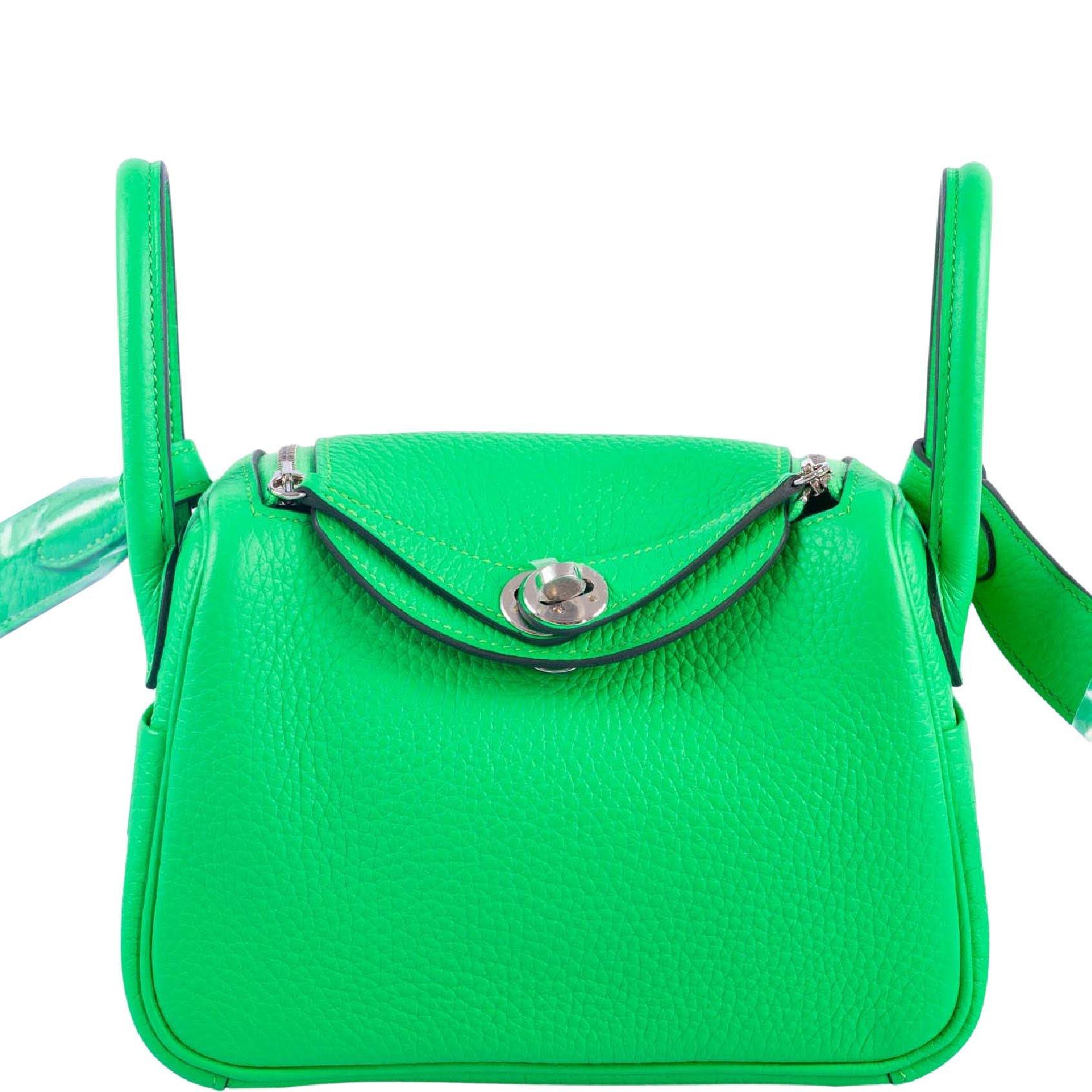

Lindy
The handles sit on the gussets rather than the broad front and back faces, changing how the body folds when lifted. The Lindy's debut dates to 2007 and the Mini's to 2019, not 2022. Mini and Mini II descriptions need to be distinguished from larger 26, 30 and 34 examples. Examine the zips, handle placement and supplied strap length.
Picotin Lock
A supple bucket-like body and a closing leather strap with a padlock distinguish familiar Lock versions. Identify the size and edition before comparing the lining, handles and accessories. Touch and other mixed-material versions need component-by-component descriptions rather than a single leather name.
A simple-looking bag can still have material condition issues. Check the base, handle attachments, draw-in strap and the way the body holds a realistic load.
Bolide
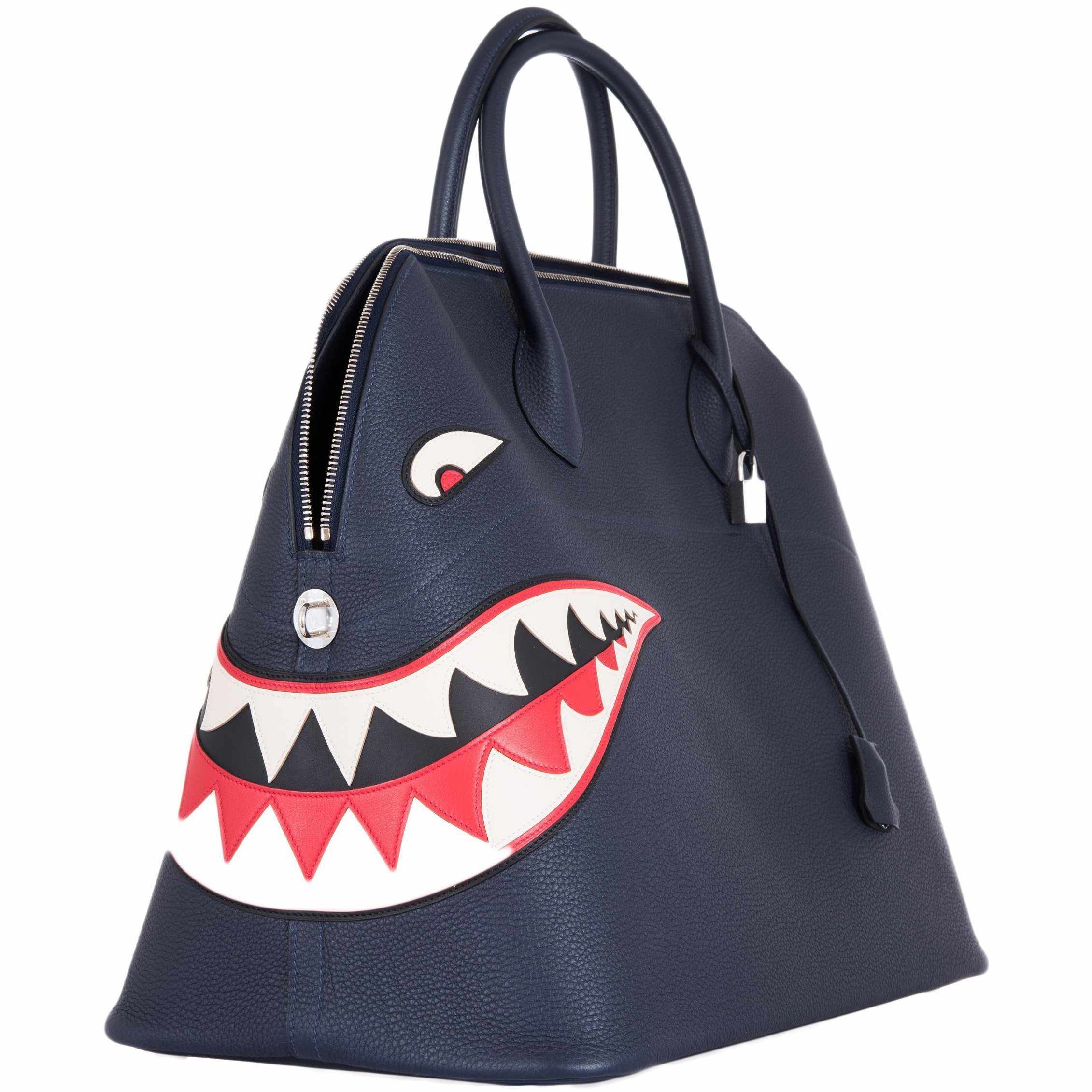
Hermès dates the Bolide to 1923 and connects its rounded zipped design with motor travel. It should not be described as the oldest Hermès bag, since the HAC has an earlier lineage. Miniature, handbag and travel formats also show why the family is broader than one unchanged 27–45 cm range.
Garden Party
A tote family in leather or canvas-and-leather combinations, with version-specific linings and snap closures. The house's Garden Party 30 in Negonda has a canvas lining and zipped interior pocket. It is therefore inaccurate to describe the entire family as an unlined, open canvas tote.
Compact Neo Garden and larger travel versions need separate measurements. Numeric model names are useful alongside, rather than replaced by, PM/MM abbreviations.
Herbag
A canvas-and-leather family with a leather top and distinctive closure. Interchangeable bodies and additional components should be identified for the version being offered: not every example comes with the same spare body, compatible fittings or accessory set. Modularity is part of a particular specification, not proof that the Herbag is the house's only modular object or universally lowest-priced bag.
Jypsière
A crossbody design with a rounded body, shoulder strap and related flap-and-sangle vocabulary. Hermès presents both the Mini Jypsière and Jypsière 28, so the family is not permanently discontinued. Compare earlier sizes with later interpretations using their actual strap, body and interior specifications.
Haut à Courroies
The HAC belongs to the house's earlier equestrian and travel history. Hermès' published chronology places it around 1900. Its proportions vary: a HAC 60 dated 2002 is on record, measuring 60 × 46 × 28 cm in width × height × depth order. That object disproves both a 55 cm maximum and an “always taller than wide” rule.
A small historical HAC, a large travel bag and a modern single-strap HAC à Dos are distinct configurations. Read the HAC Archive for documented examples and measurements.
Where to start: choose a carrying arrangement and scale that suit your routine, then compare the actual objects' materials, condition and records. No model or color is guaranteed to sell fastest or retain its cost. The Size Guide helps with measurements; the Birkin versus Kelly comparison examines the two families more closely.