
Hermès Special Order (HSS)
Color combinations, auction trends, and the secondary market for bi-color and tri-color Birkins and Kellys
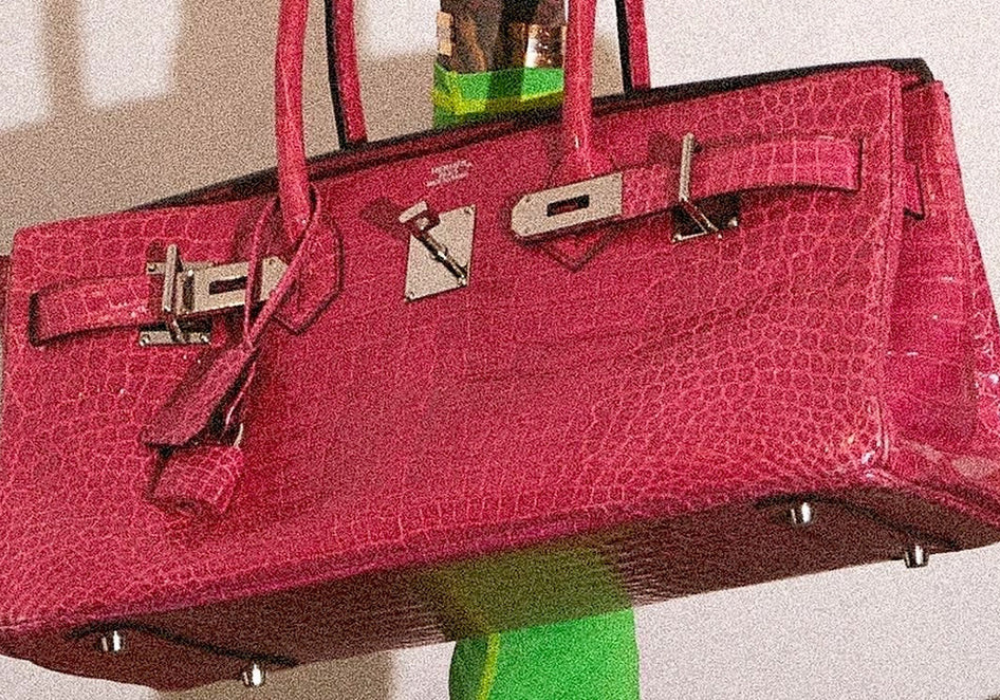
The Hermès Special Order program — identified by the horseshoe stamp (HSS) pressed into the leather alongside the standard date stamp — has historically been the most exclusive access point in the house's client relationship system. Custom color combinations, contrast stitching, and personalized configurations were available only to long-standing VIP clients with substantial purchase histories. More recently, reports from boutiques suggest Special Order invitations are being extended to newer clients with greater frequency, though access to exotic skin configurations remains restricted to the highest-spending tier.
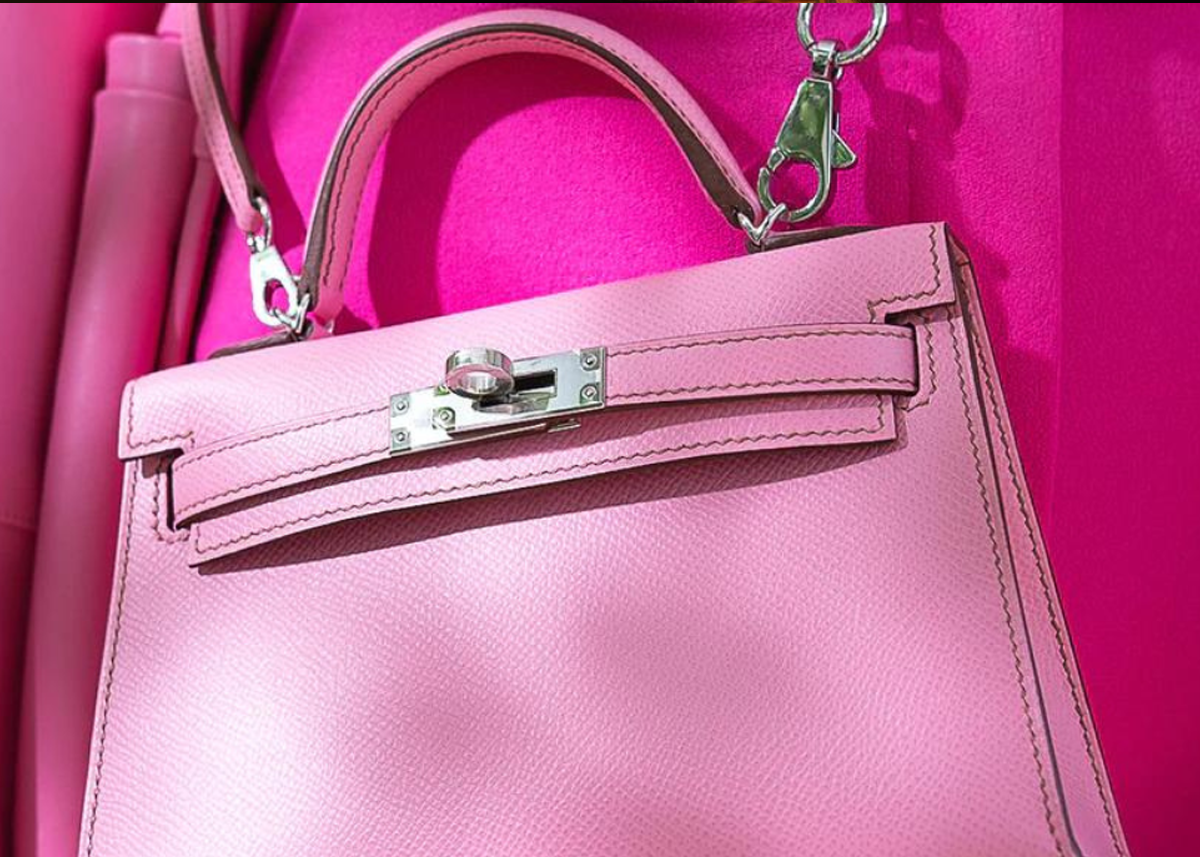
For collectors who want HSS pieces without navigating the boutique system, the secondary market is the primary channel. Over 500 leather HSS Birkins and Kellys have crossed the major auction block in the past decade, comprising approximately 10–15% of all leather Birkins and Kellys at auction. The range of configurations in that pool — from subdued Verso pieces with a solid exterior and contrasting interior, to vivid tri-color examples spanning the full palette — makes HSS a collecting category in its own right.


How HSS color combinations perform at auction
Looking specifically at leather HSS Birkins and Kellys in 25–35cm, the secondary market data since 2019 shows a clear trend toward neutral color combinations commanding the strongest average premiums. The breakdown by dominant color family:
| Color Category | Auction Trend | Notes |
|---|---|---|
| Browns, yellows, blacks, whites, and greys | Highest average premiums | Neutral combinations have strengthened since 2019. Includes Verso HSS in these tones. The most liquid HSS configurations in the secondary market. |
| Blues and greens | Second tier | Cool-tone combinations perform consistently well. Bi-color pairings within this family — blue exterior with contrasting neutral interior — are strong performers. |
| Pinks and purples | Just below cool tones | Modest separation from the blue/green tier. Specific pairings drive individual auction results significantly above category average. |
| Reds and oranges | Declining relative to other categories | Average values have declined faster than other color families since 2019. Exceptional examples in these colors can still perform strongly — a 30cm Epsom HSS Birkin in Rouge Pivoine and Gris Mouette with Gold Hardware achieved over $44,500 at a 2019 auction — but the category average has softened. |
The tri-color discontinuation and its market effect
In 2017, Hermès discontinued the tri-color Special Order option — bags with three distinct exterior leather colors are no longer available through the HSS program. Since 2017, only bi-color configurations (Multico) and Verso pieces (solid exterior with contrasting interior) have been available through new Special Orders. The 2025 SO program also removed Birkin Sellier 25 and 30 from the HSS menu, and temporarily discontinued ostrich — though ostrich has since returned for 2026.
The market response to the tri-color discontinuation has not followed a straight line. Auction averages for tri-color HSS bags dropped to their lowest point around 2019 in the period immediately following. Since then, values have rebounded steadily — pricing for tri-color examples has been moving toward and in some cases matching bi-color Special Orders, and the trajectory for harmonious tri-color configurations (those with considered, complementary color relationships rather than arbitrary combinations) is projected to continue upward as the existing supply compresses and no new examples enter the market.
Tri-color HSS 25cm Birkins and Kellys are particularly scarce on the secondary market. The 25cm size did not dominate primary market demand until relatively recently, and the timing meant that relatively few 25cm bags were commissioned as tri-color Special Orders before the option was discontinued. Supply of this configuration is thin enough that pricing is event-driven rather than benchmark-driven.


What the HSS stamp means for authentication
The horseshoe stamp is pressed into the leather separately from the date stamp — both are present on genuine HSS pieces. An HSS bag without a date stamp, or with a date stamp but missing the horseshoe mark, is incomplete from a documentation standpoint and warrants careful examination. The presence of both stamps is the authentication baseline for any claimed Special Order piece.
The construction of the bag itself should also reflect the HSS specifications: a bi-color piece should show the contrasting color in the correct positions — interior lining, strap reverses, and specified exterior panels — based on the configuration type. On Verso pieces, the exterior is a single color and the interior is the contrasting color. On standard bi-color (Multico) pieces, the contrasting color typically appears on the handles, straps, clochette, and lining. Any configuration mismatch between the stamp and the construction is a significant authentication flag.
Sourcing HSS through the secondary market: The secondary market is the primary access point for buyers who want specific HSS configurations without boutique access or the 6-month-to-18-month production timeline. With 135+ HSS Birkins and Kellys in the JaneFinds catalog, buyers can source a specific color combination in the right size immediately rather than commissioning and waiting. Every piece is authenticated before listing — the horseshoe stamp, construction verification, and leather-to-configuration consistency are all part of standard JaneFinds authentication protocol.
Browse HSS Special Orders in the current JaneFinds collection →

%0A%20%20%20%20Color%20combinations,%20auction%20trends,%20and%20the%20secondary%20market%20for%20bi-color%20and%20tri-color%20Birkins%20and%20Kellys%0A%0A%0AThe%20Herm%C3%A8s%20Sp...)
Leave a comment
This site is protected by hCaptcha and the hCaptcha Privacy Policy and Terms of Service apply.