
Buying Hermès at Retail
How the boutique system actually works — SA relationships, allocation mechanics, the refusal dynamic, and the Special Order hierarchy
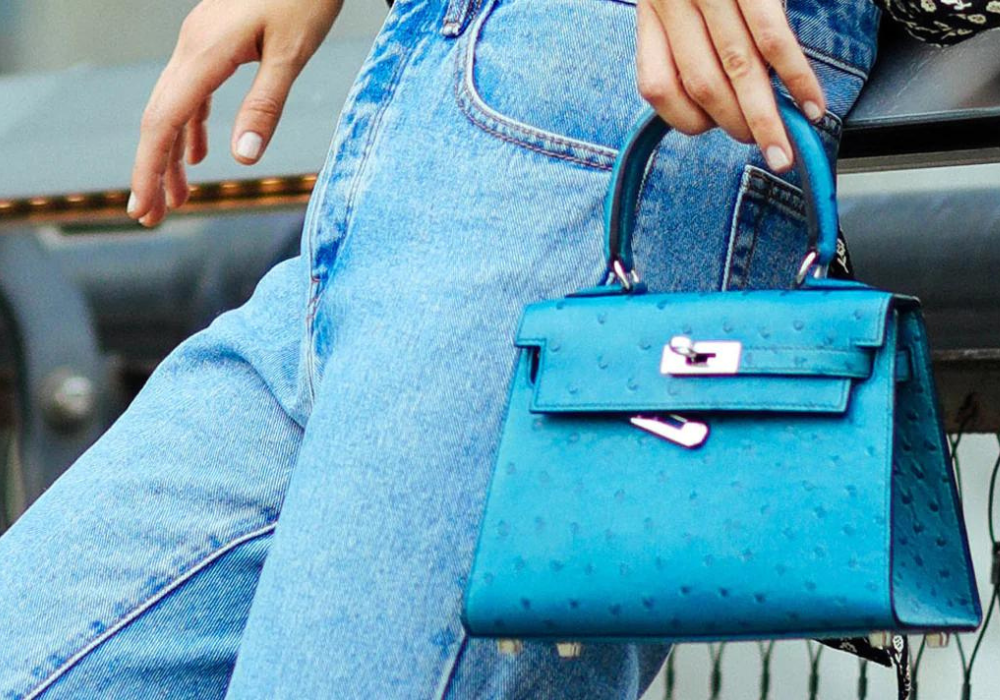
Much has been said about the experience of buying bags from Hermès. Many of their styles are available in store and on the company's website for anyone to purchase, but the myriad color, leather, hardware, and size options make the availability of any specifically desired example unlikely. Regarding the three main collectible styles — Birkins, Kellys, and Constances — the availability of any example depends not only on a location's stock but on the customer's relationship with the specific salesperson they're engaged with there. None of these styles are ever available on the web store.


The first visit — and what not to do
While it is possible for anyone to walk into an Hermès boutique, ask for a Birkin, Kelly, or Constance, and be offered one, it is not a likely scenario. Most likely the salesperson asked would reply in the negative and suggest some of the products on display instead.
If attempting to purchase one of these collectible bags on a first visit, the advisable approach is to begin by asking the salesperson about the products on display — the clothes, shoes, homewares, jewelry, or other elements of the Hermès catalog. An expressed interest in acquiring a variety of items from the company's many métiers, even if entirely strategic, is generally necessary to the successful cultivation of a productive relationship with a salesperson. The likelihood of being offered a Birkin, Kelly, or Constance increases not only with each purchase made with your salesperson — and it is essential to stay with the same salesperson each visit — but also with every inquiry made and every bit of interest shown in other products.
The known client conversation
To a known client, a salesperson will often respond to a vague request for Birkins or Kellys with their own request for specificity. Asking about a certain style in a certain size, preferably in a particular color range, will more often yield a positive response. The range runs from: "Let me check in the back" followed a few minutes later by a polite negative — accompanied by a request for other preferences should examples become available in the future — to the same trip to the back followed by the emergence of one or two large orange boxes, and the salesperson's beckoning toward a private room or empty part of the store, where the bag or bags on offer can be revealed.
If more than one bag emerges from the back, it is highly unlikely the salesperson will be permitted to sell more than one.


The refusal dynamic
Once offered one of these bags it is advisable to purchase it — especially early in building a salesperson relationship — even if it is not the exact bag desired. Refusing to purchase a Birkin or Kelly once one is offered significantly reduces the likelihood of being offered another in the future.
Long-term regular clients who have already purchased multiple bags of these styles can exercise their status to more successfully request specific configurations and decline others that don't suit their tastes. The leverage that comes with being an established client over many years is meaningful — but it is built through a long series of purchases, not assumed.
How allocation actually works inside the boutique
When a boutique receives a shipment of Birkins, Kellys, and Constances, the store's salespeople are given the opportunity to reserve select bags for clients who have expressed interest in whichever particular examples have just arrived. Rare or highly sought-after examples — Himalayans, Picnic Kellys, limited editions — are allocated according to the sales manager's direction, with salespeople making cases for the qualifications of their respective clients as the most deserving recipients.
Some examples are held in stock for lucky new customers. Any bags refused by clients on the first offering are then made available to other salespeople and their clients. The system is less formalized than it appears from the outside — it operates on personal relationships, institutional memory within a single boutique, and the judgment of individual sales managers.
The likelihood of being offered a limited edition piece is based on a client's stated interest in them. A stated preference for unusual, rare, or special examples is entirely legible to an experienced salesperson and is accounted for — it simply requires that interest to be communicated, and the relationship to support acting on it.
Special Orders — the HSS tier
The next level of boutique access is the Special Order. Salespeople extend this offer to their best clients twice yearly, with the availability of various colors and leathers changing each season. Other parameters — how many colors, which styles, which sizes Hermès will accept — change less frequently.
Special Order bags — most often Birkins or Kellys, but as of the mid-2010s Constances as well (other styles including the Bolide, Kelly Dépêches, and Jige have also been available for Special Order at various points) — have since approximately 2006 been emblazoned with the identifying Horseshoe Stamp, or HSS, accompanying the standard Hermès blind stamp. This stamp is what distinguishes a Special Order from a Limited Edition and, occasionally, from a regular production bag that was commissioned specifically because it was unavailable through standard allocation.
The opportunity to Special Order a bag in exotic skin is offered only to a yet higher tier of client. Beyond that, the ability to commission entirely unique pieces crafted with unusual materials — leather fringe, beading, embroidery, feathers, or fur panels — represents a further tier above exotic. These highest-level Special Order pieces are the rarest objects Hermès produces for any client outside the Exceptional Collection.
The secondary market alternative: The boutique system rewards patience, sustained engagement, and a willingness to purchase what is offered rather than what is wanted. For collectors who know exactly what they want — a specific size, leather, color, and hardware configuration — and want it now rather than after years of relationship cultivation, the authenticated secondary market is the more direct path. What requires years of boutique development is available today through verified channels, at premiums that reflect the time and access saved.
JaneFinds has been operating in this market for 30 years. Every piece we source has been authenticated and every configuration documented. Browse the current JaneFinds collection →


Leave a comment
This site is protected by hCaptcha and the hCaptcha Privacy Policy and Terms of Service apply.