





The Sold Archive
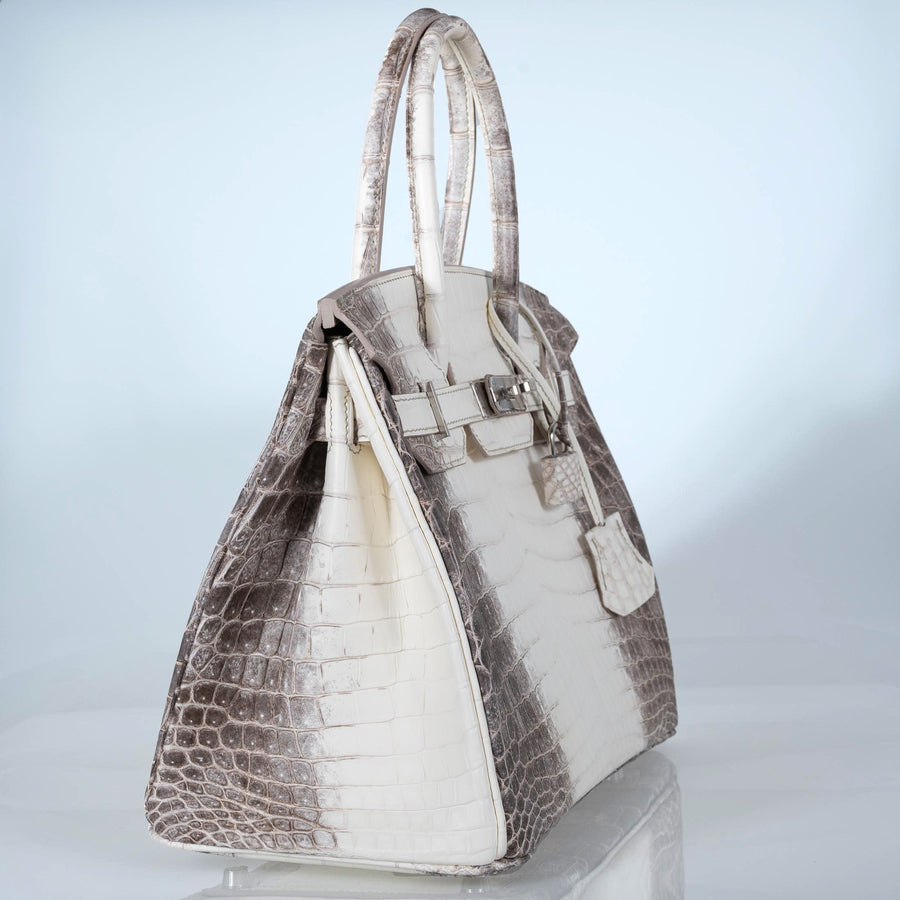
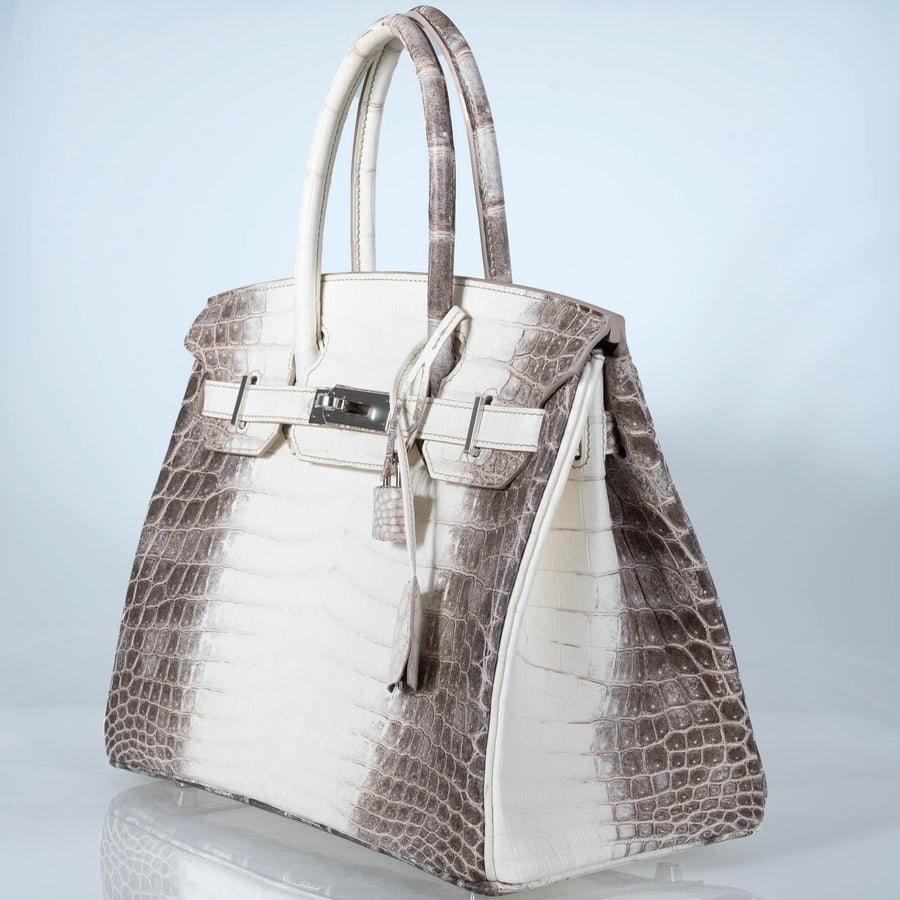
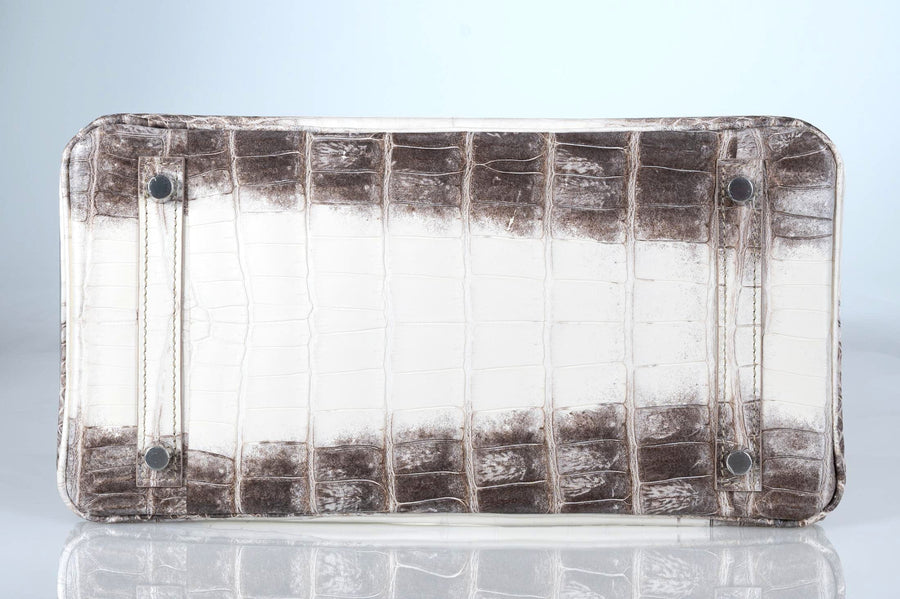
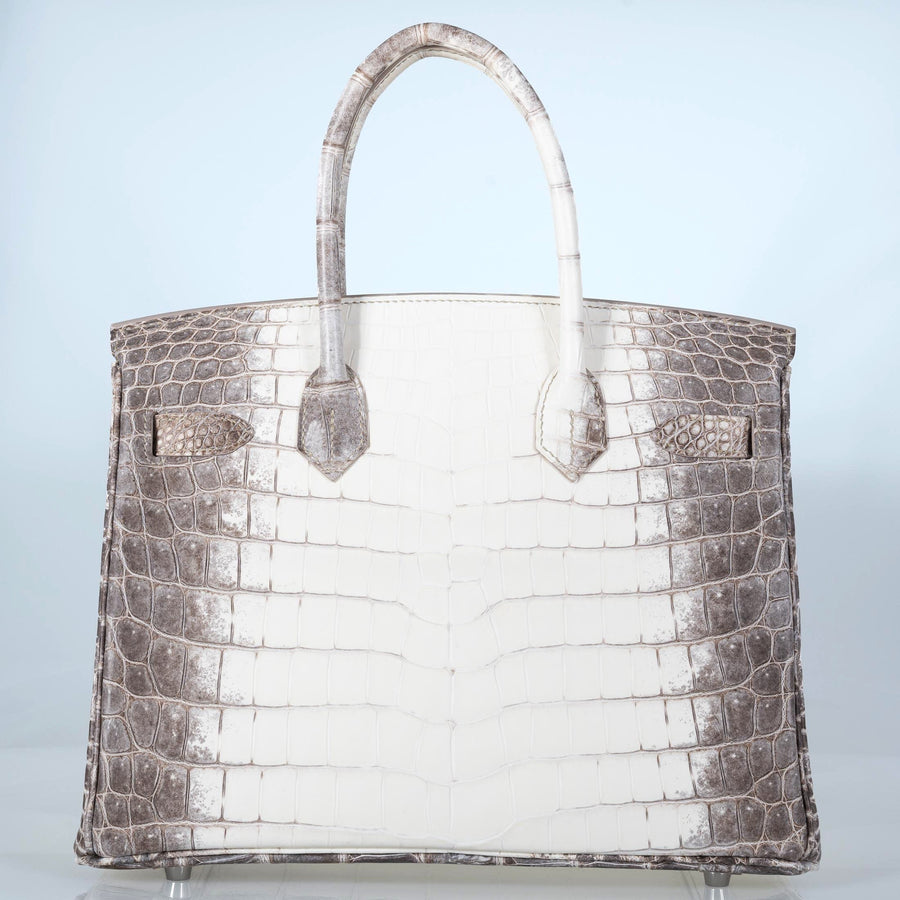
Hermès Birkin 30 White Himalayan Niloticus Crocodile Palladium Hardware
Placed
- Realized
- $150,000–250,000
The object record
- Condition
- 1 – Pristine
- Material
- Niloticus Crocodile
- Color
- White Himalayan
- Metallic finish
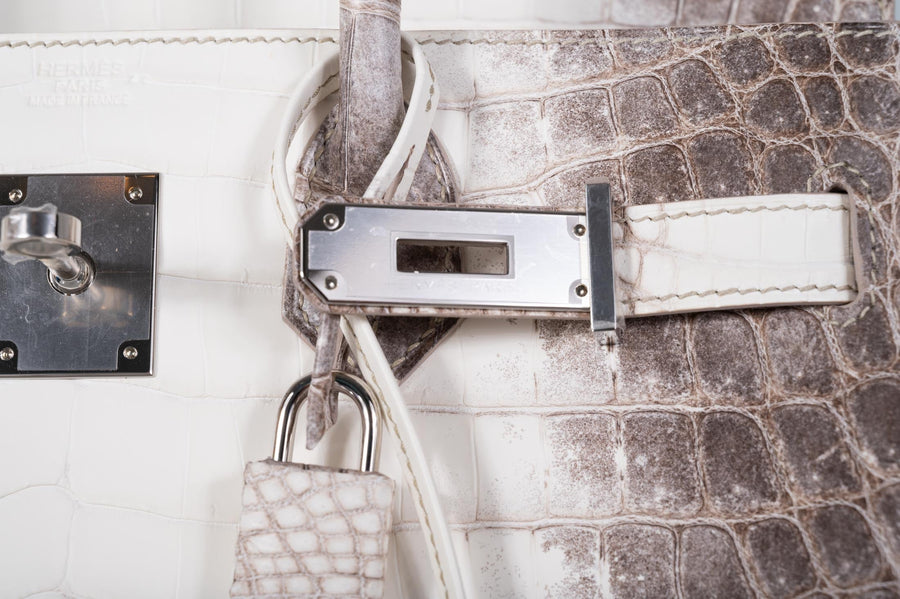
- Palladium
The story behind the Birkin
Originated in 1984 from a conversation between Jane Birkin and Hermès Executive Chairman Jean-Louis Dumas; its structural lineage traces to the Haut à Courroies. Familiar sizes are 25, 30, 35 and 40 cm, alongside miniature, shoulder and travel versions, in both Retourné and Sellier construction.
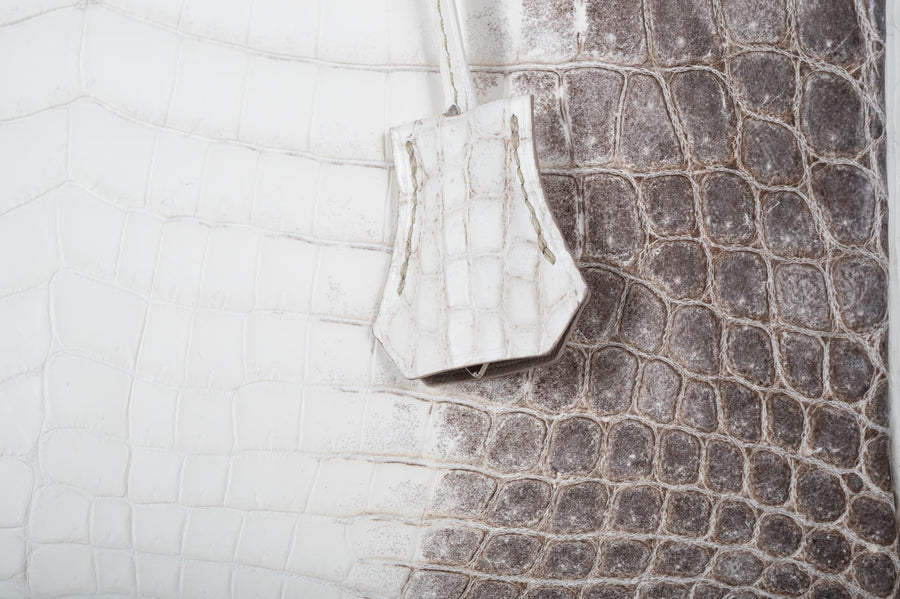
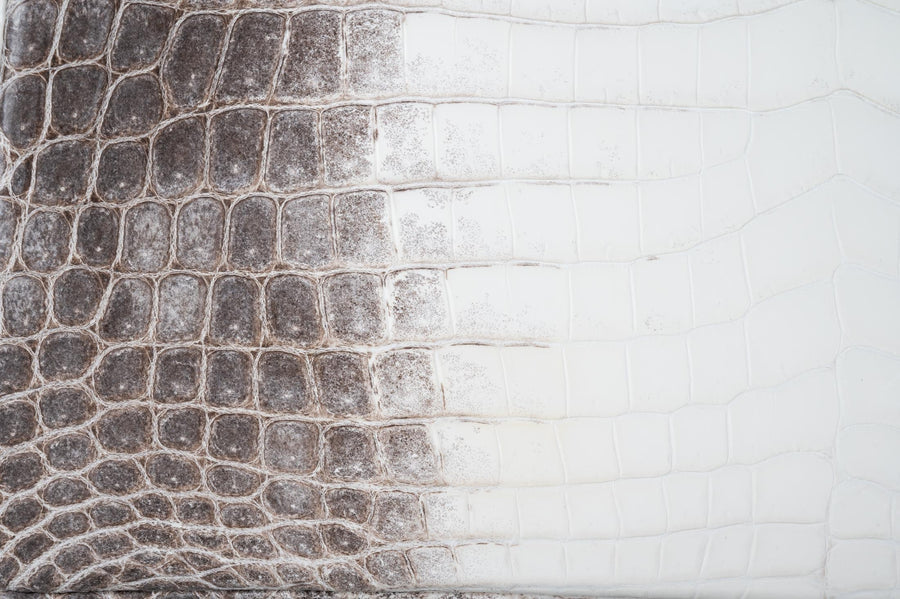
Discover Hermès Birkin BagsHimalaya finishing on Niloticus crocodile, graduating the dye from smoky taupe-gray at the edges to near-white at the center of each panel. The technique has a high rejection rate at the tannery stage due to the precision required in controlling dye absorption across varying skin densities. No two skins graduate identically, which makes each Himalaya bag a singular output of the same process.
The Birkin 30 is the most commonly produced Himalaya format and the size with the deepest secondary market transaction history. Palladium hardware is the only metal offered on this finish, calibrated to the cool gray-to-white palette of the skin. The Niloticus scale pattern is rounder and more uniform than Porosus, which supports the smooth tonal transition the Himalaya technique depends on.
Collector's Insight:
Niloticus Crocodile production is constrained by raw material scarcity and limited annual output. Allocation within Hermès exotic bag production is among the most selective in the house.
Resale Insight:
Himalaya Birkins and Kellys maintain a unique position in the secondary market, consistently outperforming other exotics in value retention and price growth regardless of broader market shifts.
This piece has been placed. Jane can search privately for the same configuration.